The recent winter storm was a significant event for Waynesville, bringing approximately 8 inches of snow across town within a 24-hour period, with some higher elevations seeing up to 10 inches. For perspective, Waynesville averages about 10 inches of snowfall for an entire winter season, meaning this single storm delivered the town’s typical annual snowfall in just one day(1).
Waynesville encompasses just under 10 square miles and maintains approximately 180 lane(2) miles of roadway. That network includes steep grades, higher elevations, shaded roadways, and narrow residential streets, all of which add complexity to winter weather operations.
Public Works crews were fully prepared well before the first snowflake fell. Approximately four hours in advance of the storm, crews were on site, with trucks and equipment fueled, salt loaded in spreaders, reviewing route plans, and performing final equipment checks with fleet maintenance. Plow trucks, spreaders, UTVs, salt inventory, fuel supplies, and a coordinated town-wide communication process were all in place ahead of time.
This storm was moderate in classification but intense in execution. Heavy accumulation occurred quickly during the first 24 hours, followed by two consecutive nights with temperatures at or near zero degrees, and road surface temperatures dropping to approximately minus ten degrees overnight. These extreme conditions significantly reduce the effectiveness of salt(3) and make overnight operations far more difficult. After continuous plowing, staff found that roadways were covered with a layer of ice, which proved difficult to remove until after temperatures increased.
Even under those conditions, crews continuously maintained primary roadways, emergency access routes, town facilities, parking lots, and sidewalks throughout the entire event. When weather conditions allowed, crews transitioned to secondary roads and known problem areas, prioritizing safety for both the traveling public and equipment operators. In fact, staff worked 24 hours a day the weekend of the storm.
Some residents expressed concern that roads were not cleared as well as during other winter events. Based on operational data, field observations, and crew activity, roadway conditions were managed as effectively as possible given the rapid accumulation and extreme cold. Compared to other snowfall events, the difference was not preparation or effort(4), but the combination of how quickly snow fell and how cold surfaces became overnight.
Waynesville’s winter response follows a structured priority system. Primary roadways, emergency vehicle access, and stranded or blocking vehicles are addressed first. Crews then move to secondary roads, known problem spots, and higher elevations when conditions are safe for operators and equipment. (please visit https://www.waynesvillenc.gov/news/snow-removal-information for more information on how Waynesville prioritizes snow removal).
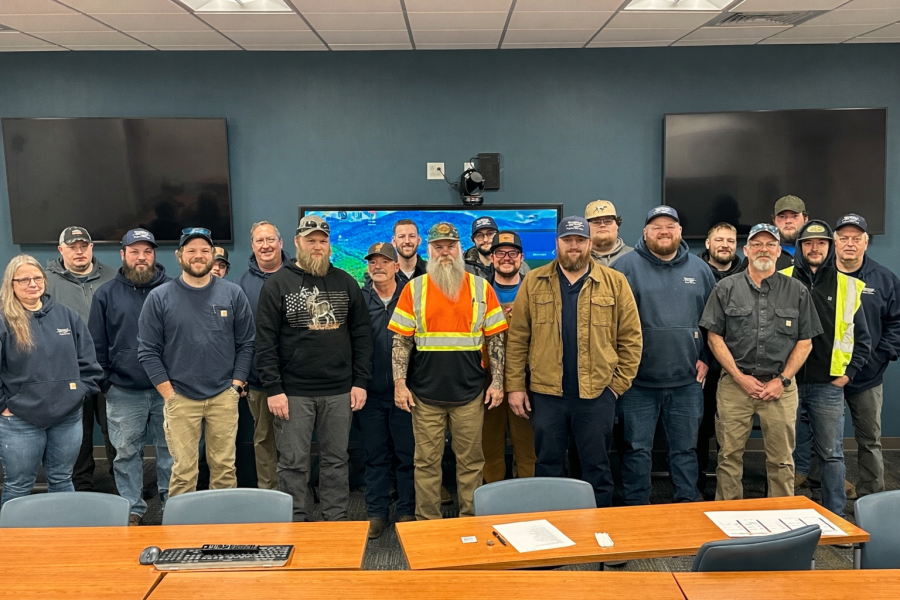
We are extremely proud of how the Public Works Department and the broader Town team handled this event. The level of coordination, professionalism, and dedication shown reflects the strength of Waynesville’s organization and its commitment to keeping the community safe. The Town would also like to thank its residents for their support and appreciation.
This was a true Town-wide effort, and the results reflect that commitment.
A message from Our Public Works Director:
“I want to sincerely thank our Public Works crews and every town department that supported this winter weather response. Our teams worked long hours in dangerous conditions to keep roads passable, facilities operational, and critical services running.
I am also grateful to the residents of Waynesville for their patience and cooperation during this event. We received overwhelmingly positive feedback. Winter storms of this magnitude test every community, and the professionalism shown by our staff and the understanding shown by our citizens made a real difference.
This was a true team effort, and I am proud of how Waynesville came together to meet the challenge.”
~Ricky Bourne, Public Works Director
(1)Lane miles reflect the total distance of roadway that must be plowed, treated, and maintained during a winter storm. As an example, a one mile long, two lane road would equal two lane miles. Waynesville maintains approximately 180 lane miles with a lean fleet (three 1-ton trucks with plows and spreaders) and staffing model.
(2)This single storm delivered more than half of Waynesville’s average annual snowfall in just 24 hours.
(3)Extreme cold dramatically reduces the effectiveness of salt. When road temperatures drop below 20, salt works much more slowly, requiring careful application and patience. Under these conditions, maintaining passable roads is often a function of plowing, timing, and persistence, rather than chemical treatment alone.
(4)The challenges residents observed were driven by temperature and accumulation speed, not a lack of preparation or effort.